| Definition:
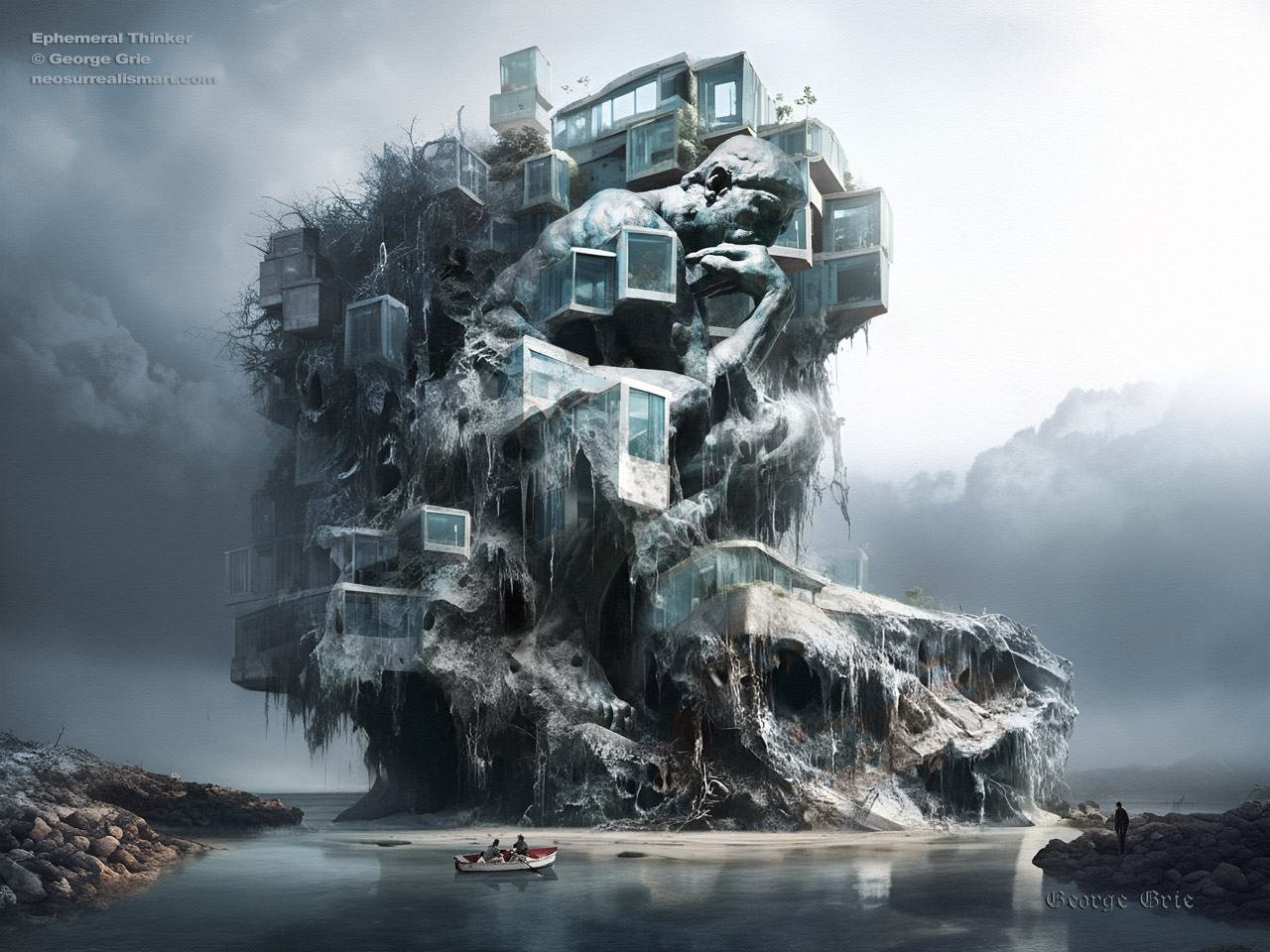
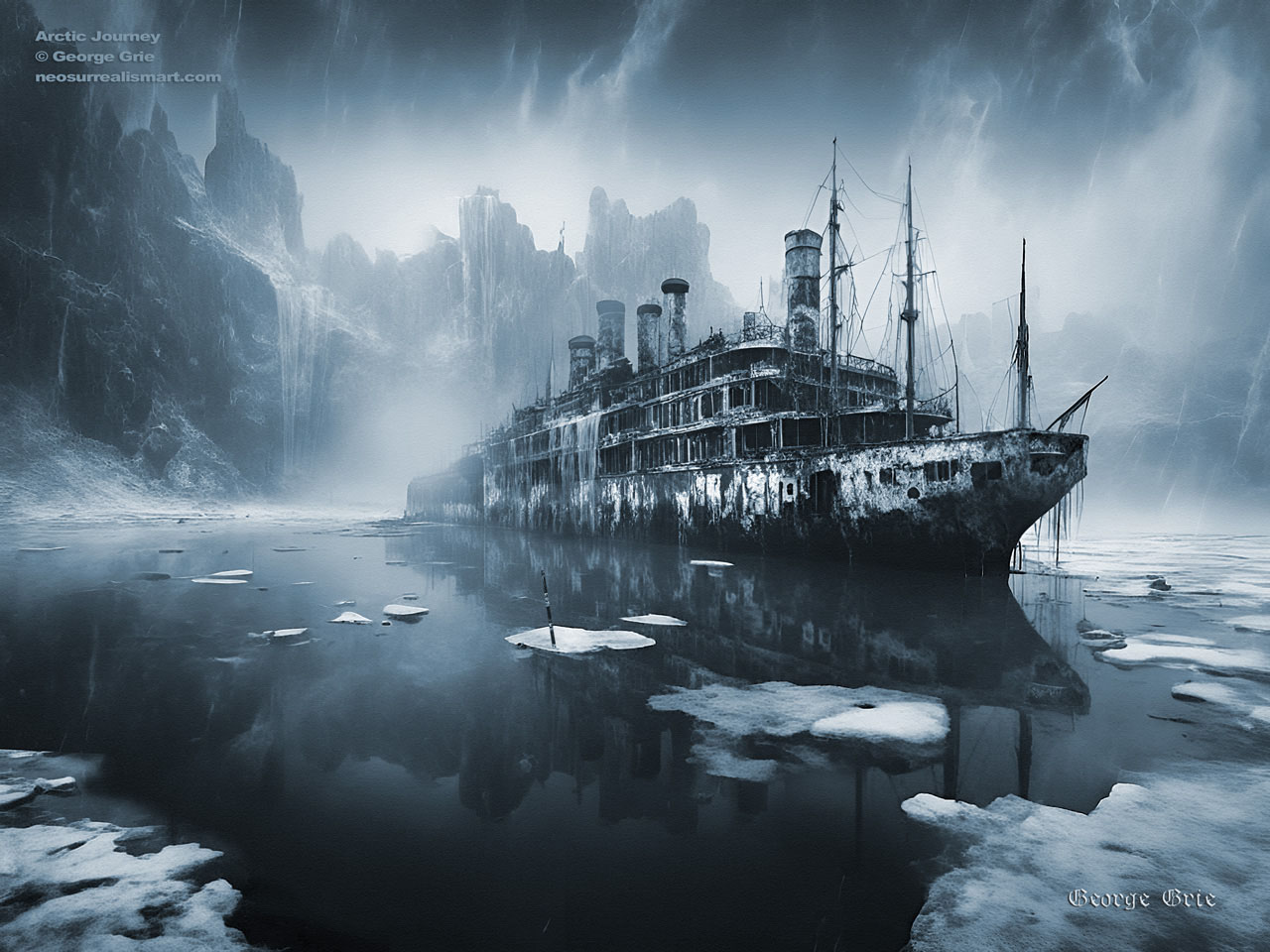
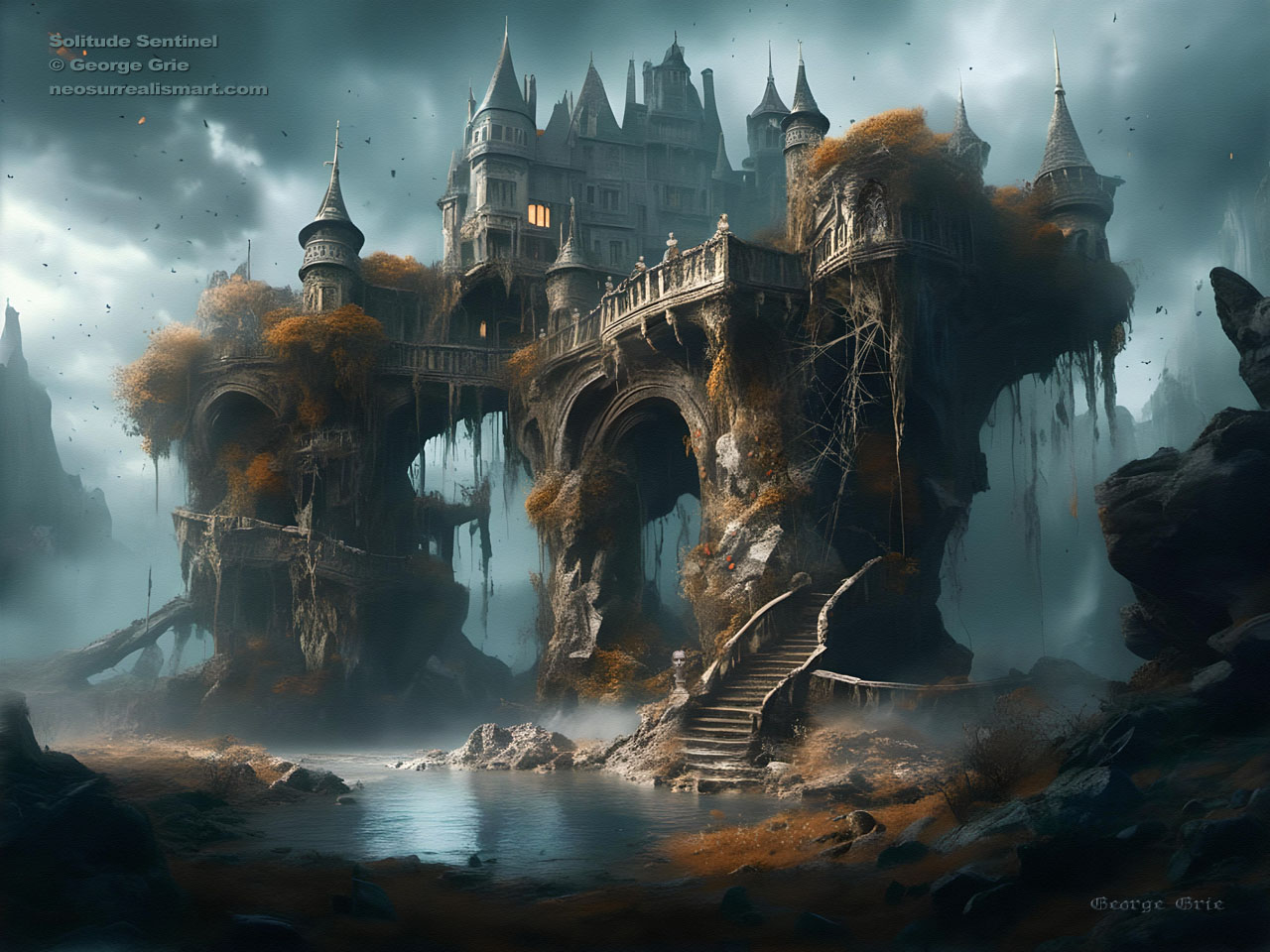
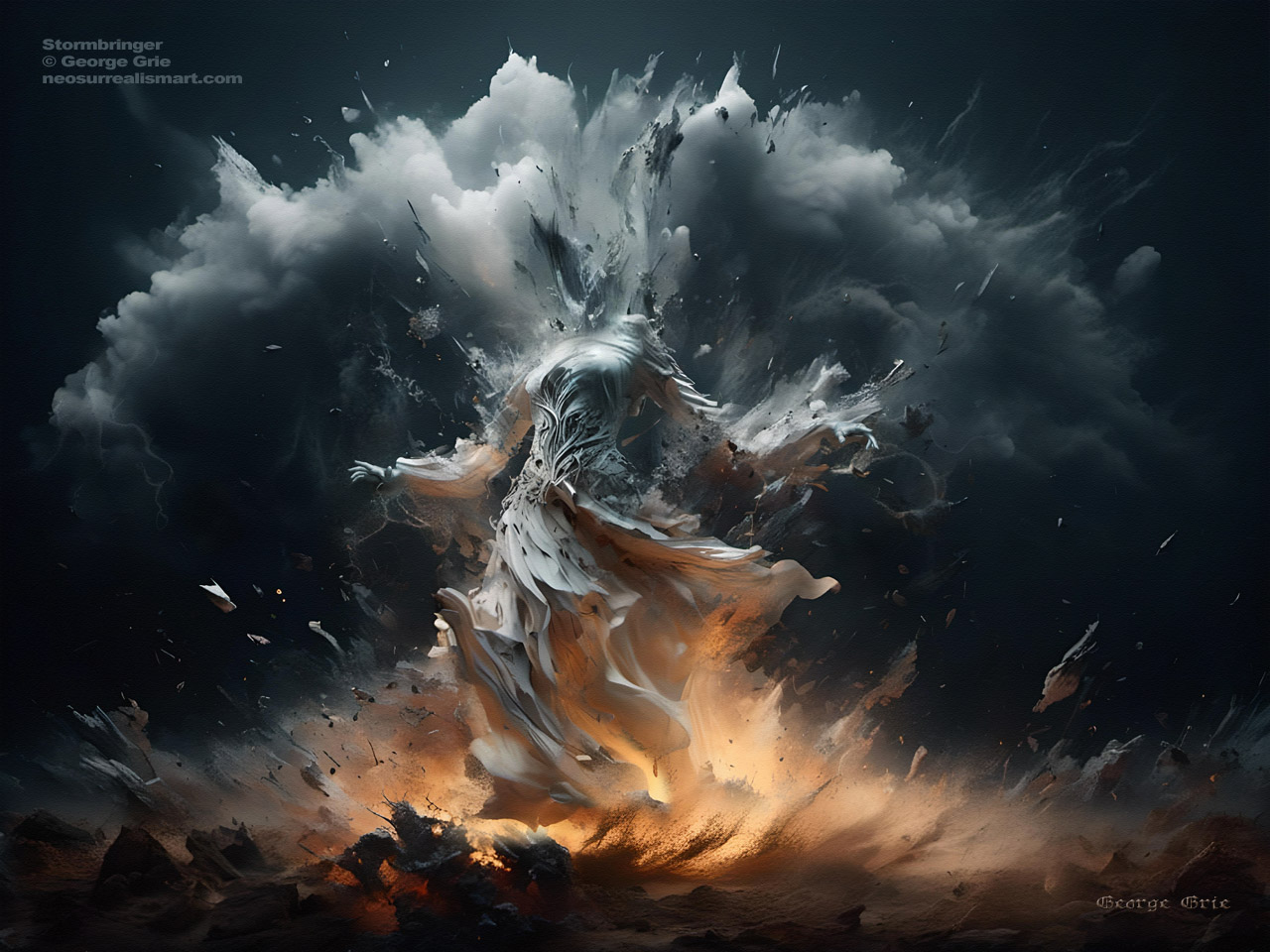
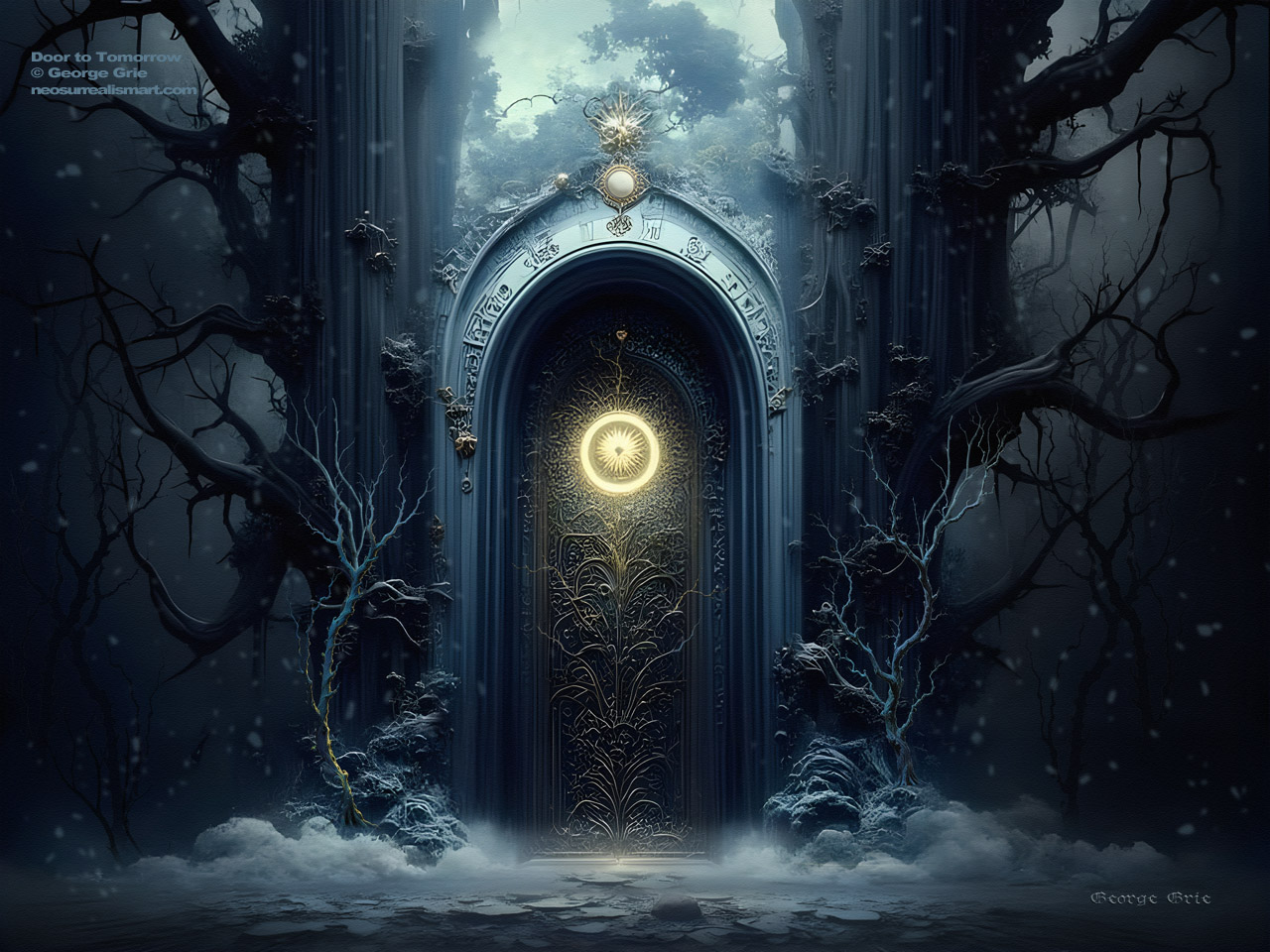
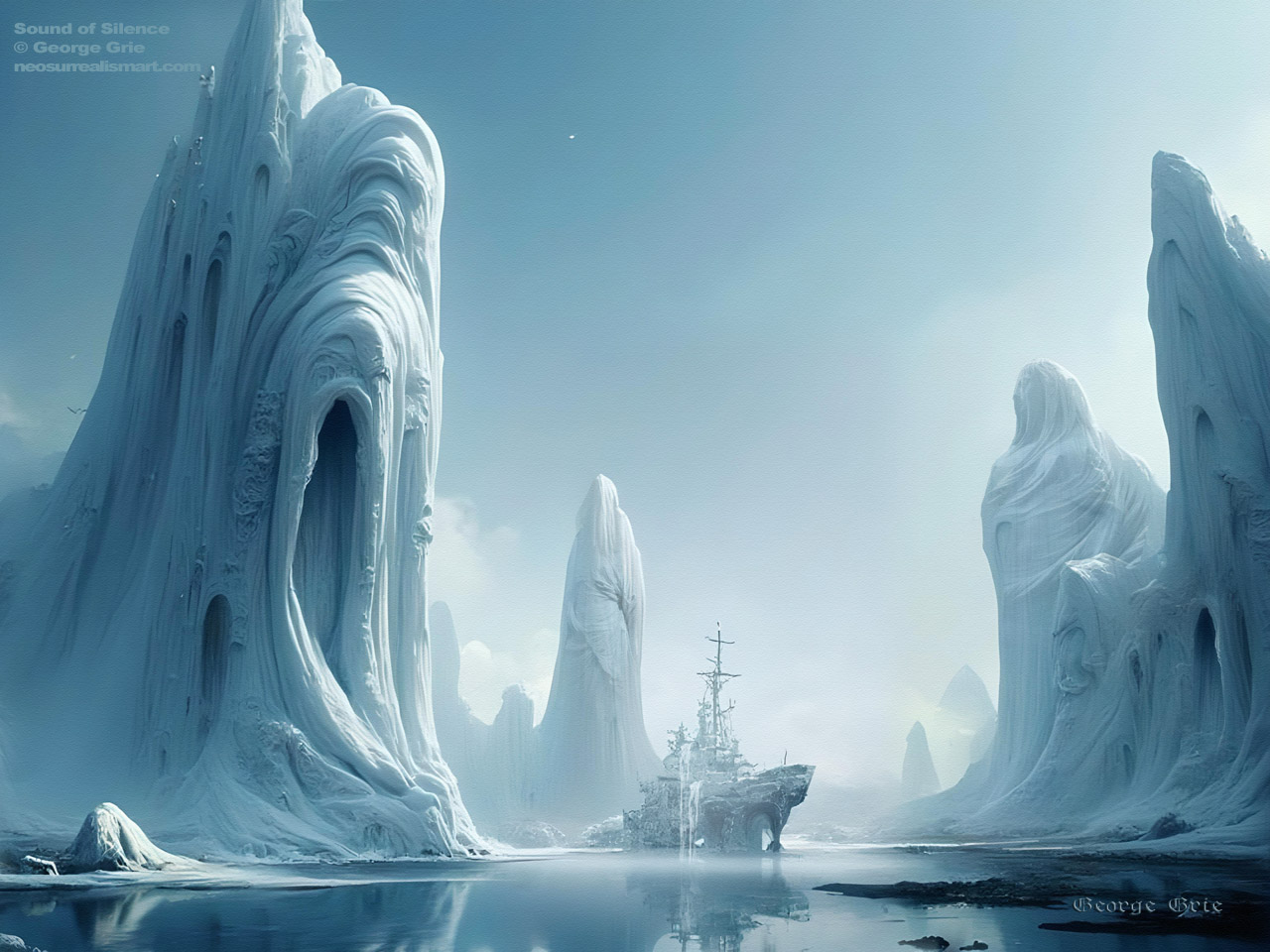
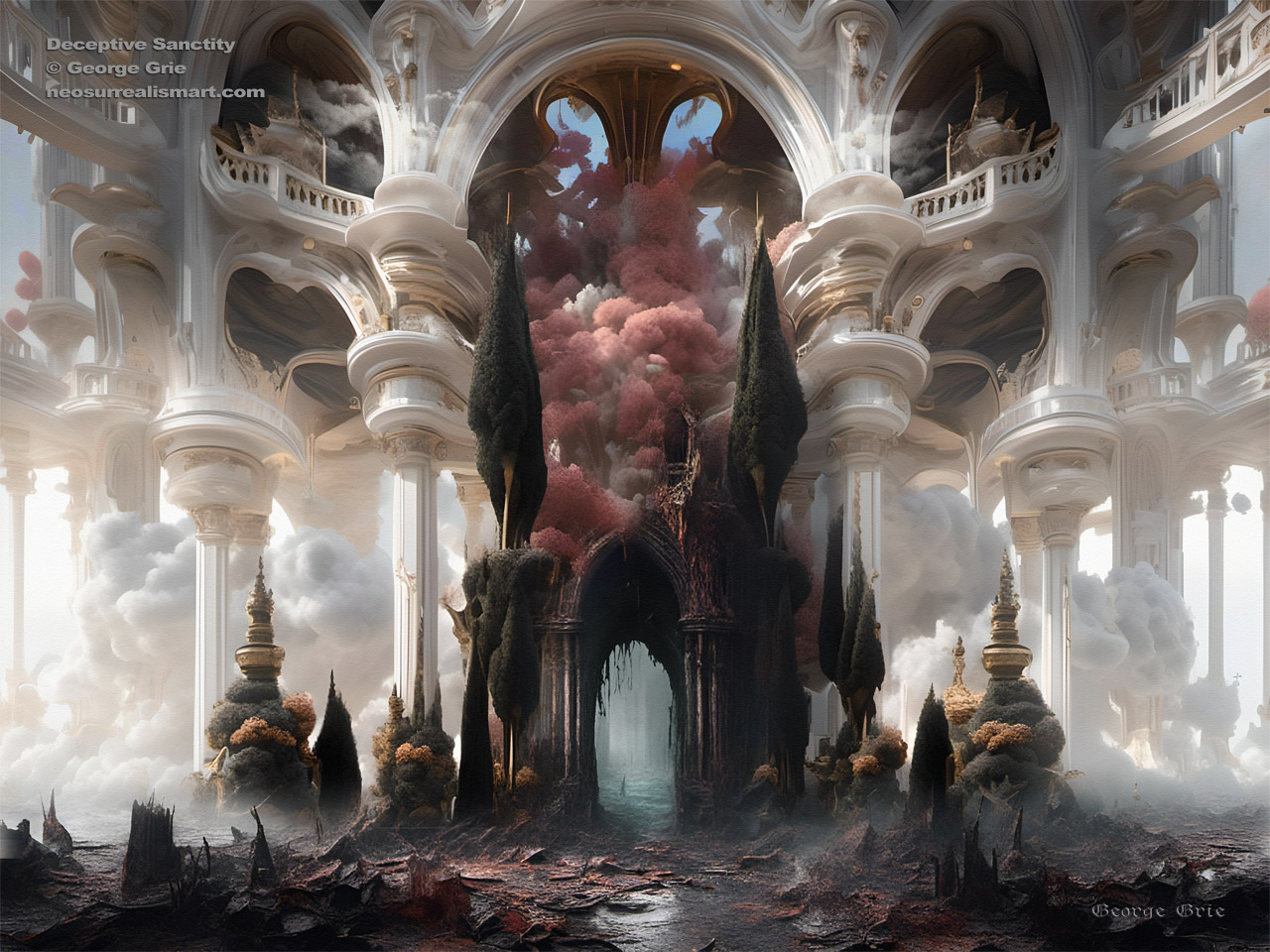
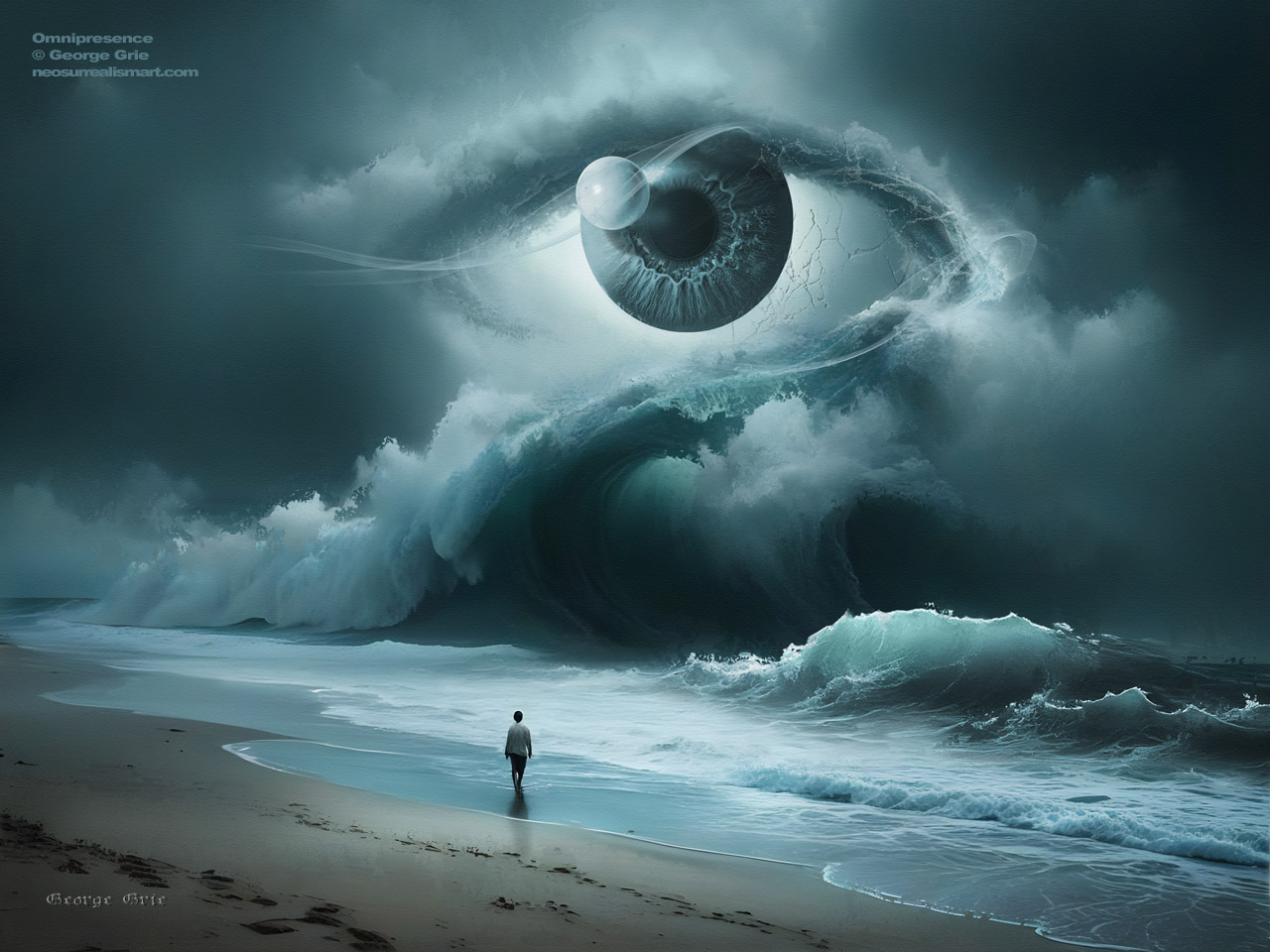
Neo-Surrealism or Neosurrealism is the name that was given to the re-emergence of the celebrated surrealism art genre in the late 1970s. Originally, the movement focused on relating surrealist art with pop-art, but lately contemporary surrealist artists have been exploring other directions within the still undefined movement.
For an extended period of time Neosurrealism was named modern surrealism art and/or fantasy art due to a noticeable visual similarity of these fine-art movements. Nevertheless, the new trend exists and the core difference between two surrealist styles is that Neosurrealism does not have the original idea of freedom from rational controls or psychic automatism declared by Andre Breton, in his Manifestoes of Surrealism. In regards to the Fantasy art which depicts mysterious or magic themes and creatures or settings, neo-surrealists do not generally portray dragons, unicorns, and sorcerers.
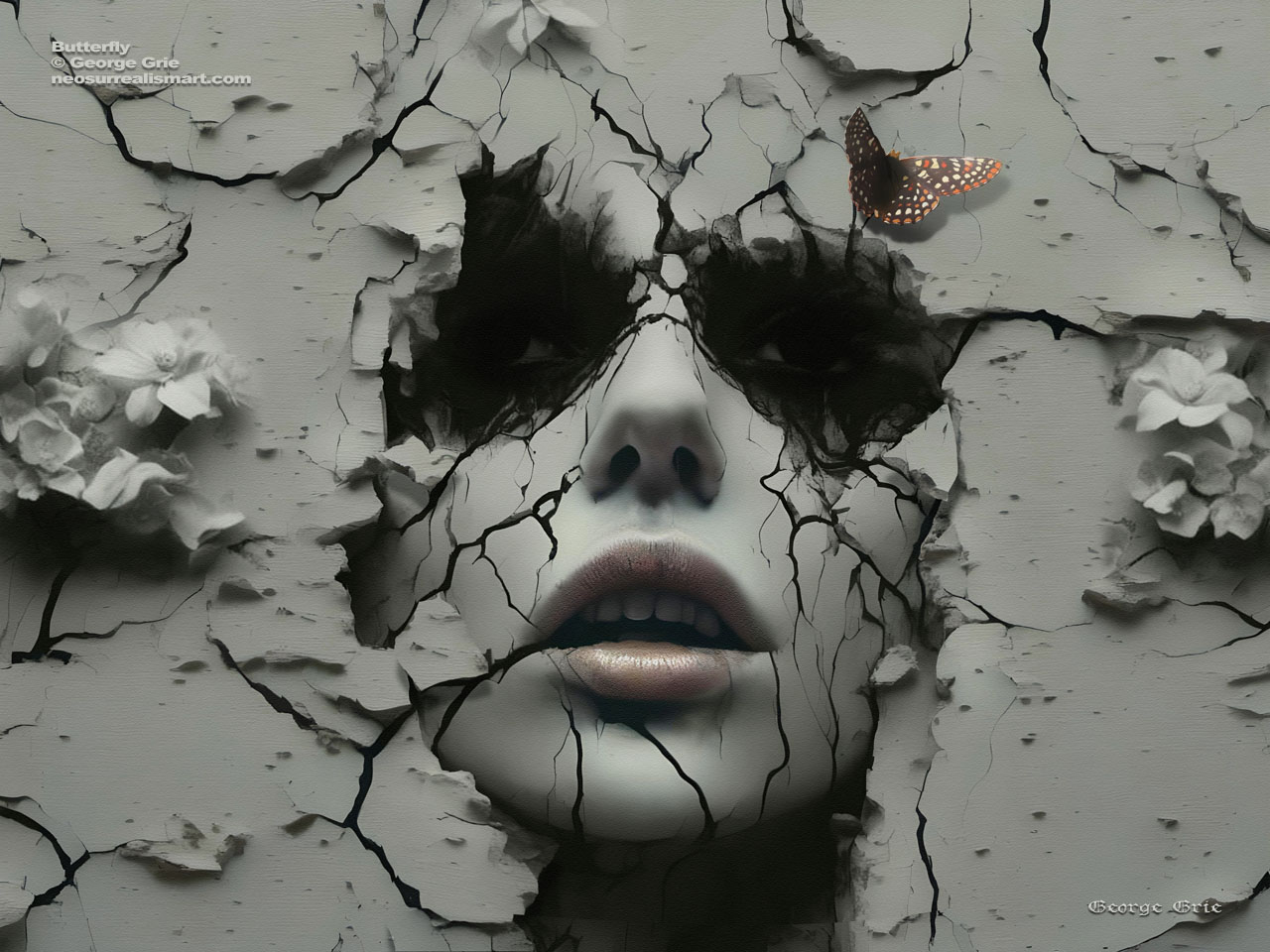
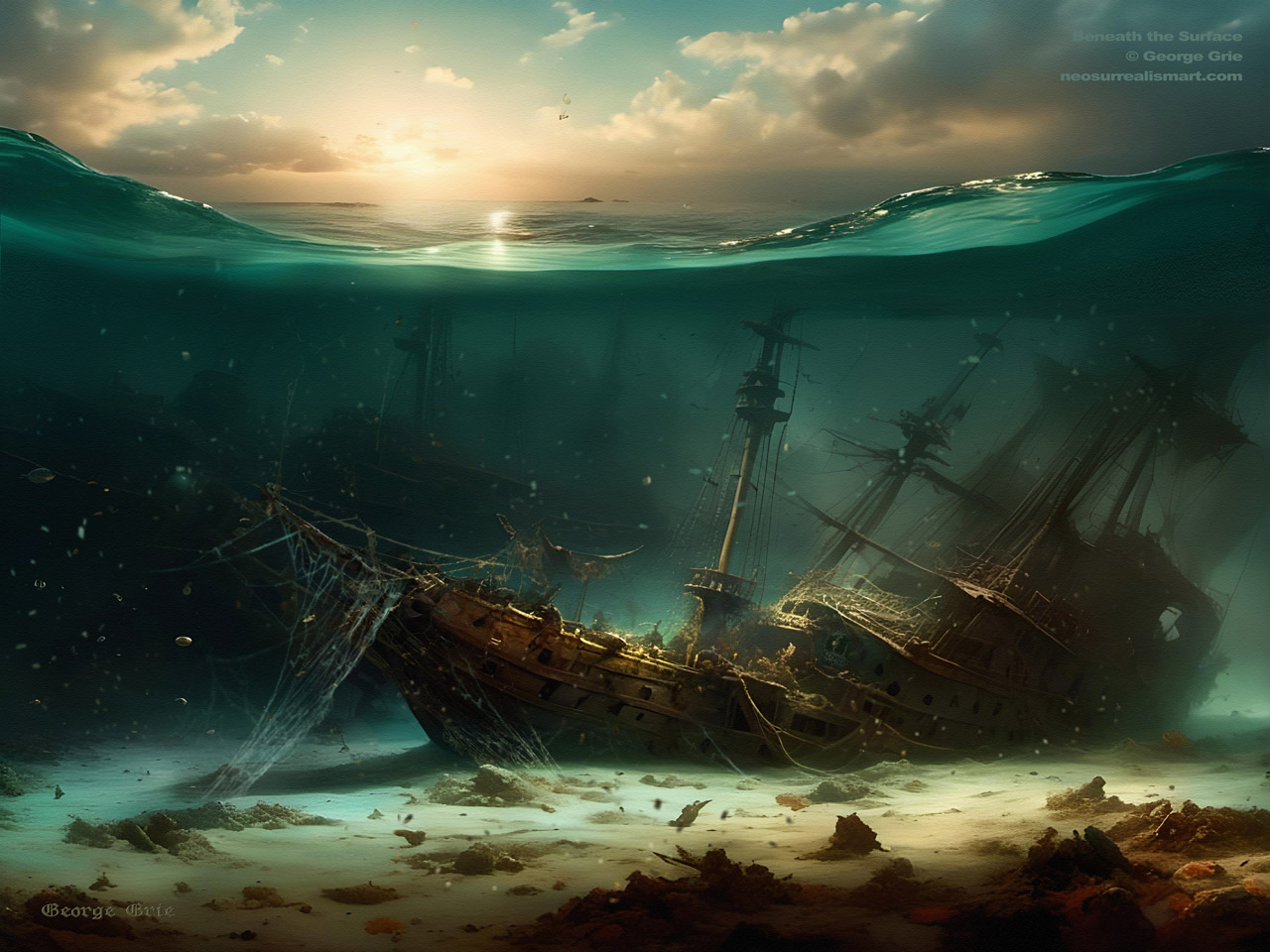
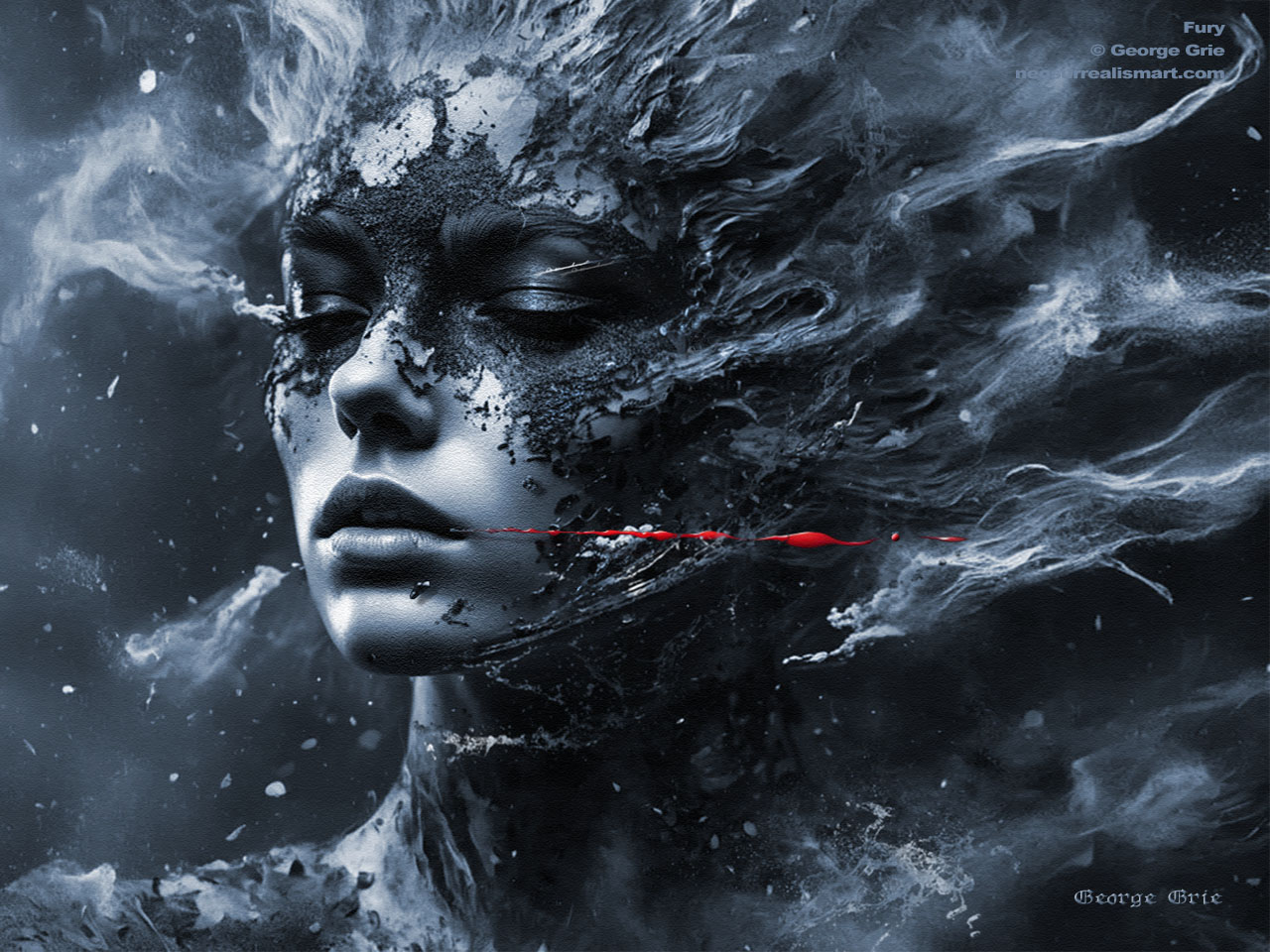
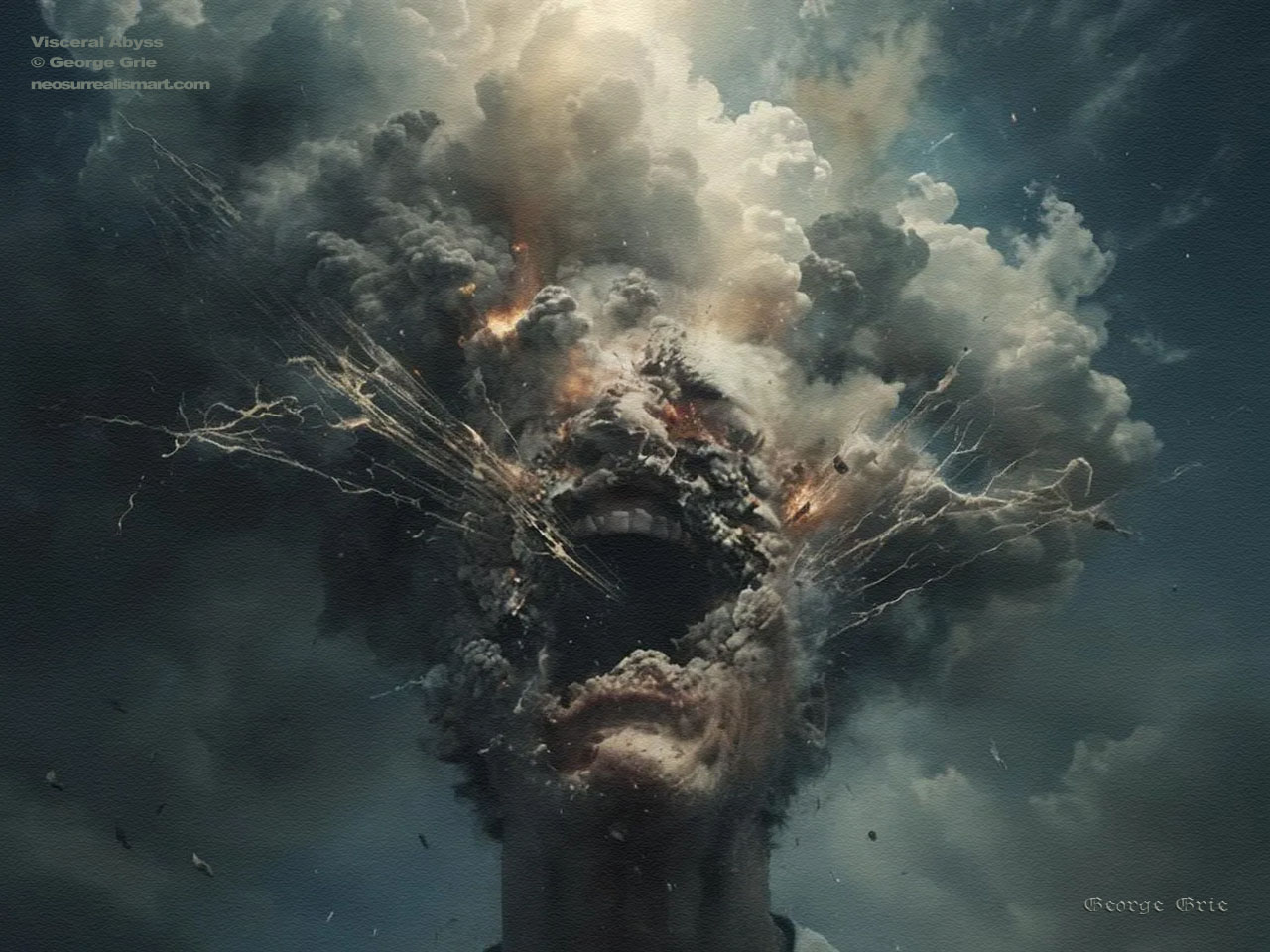
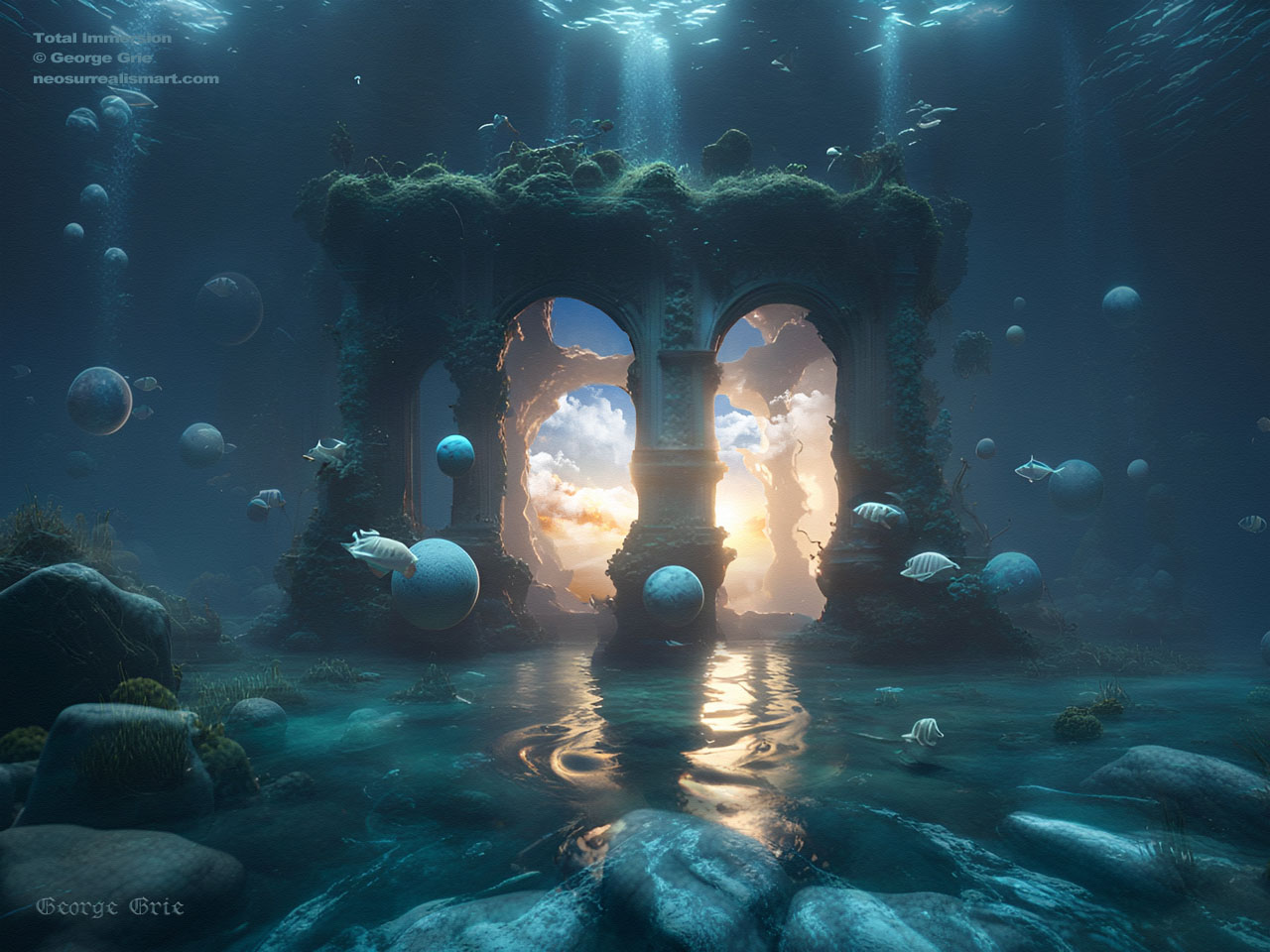
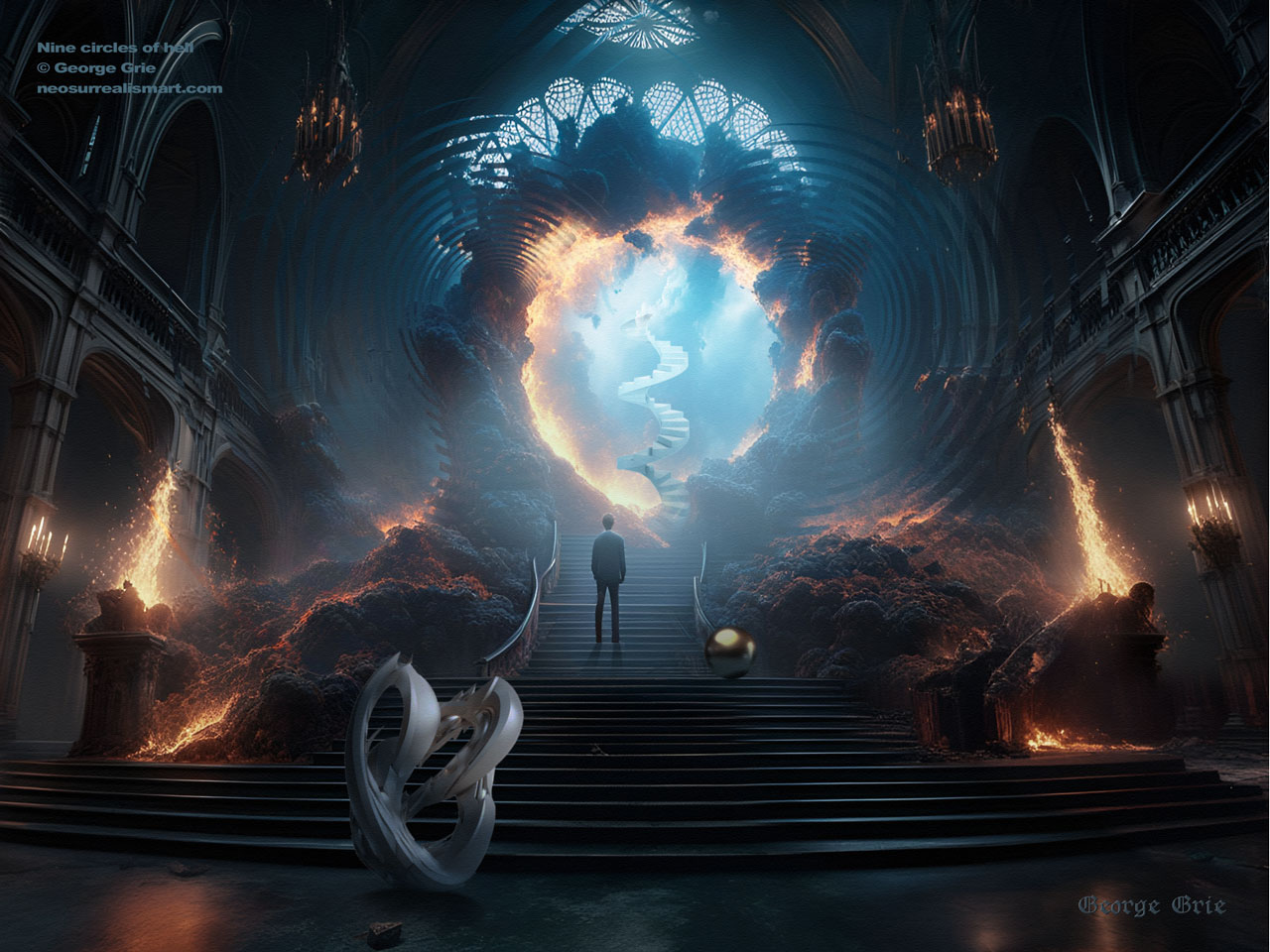
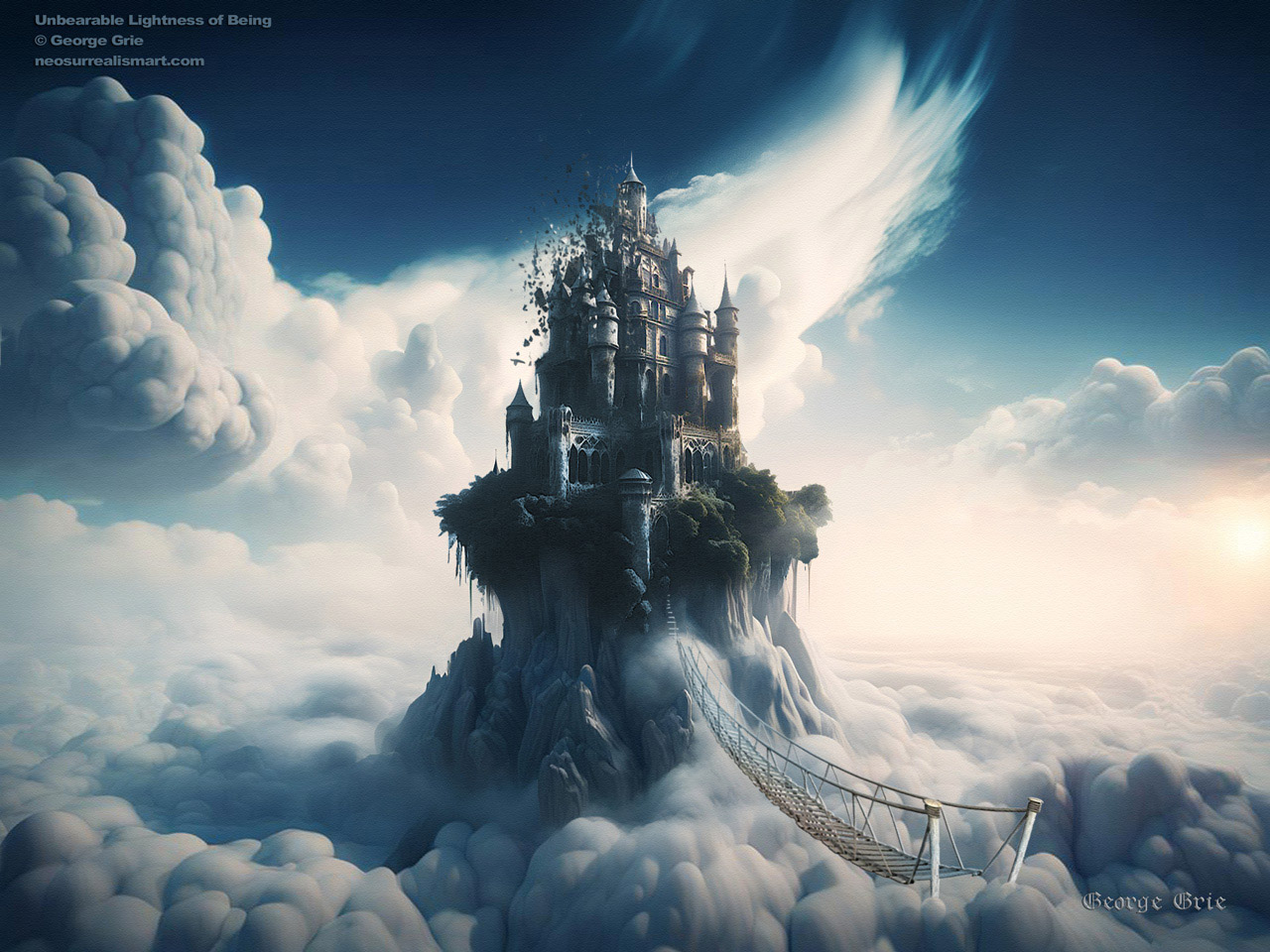
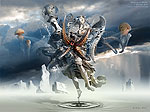
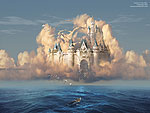
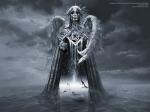
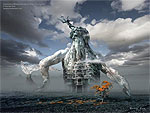
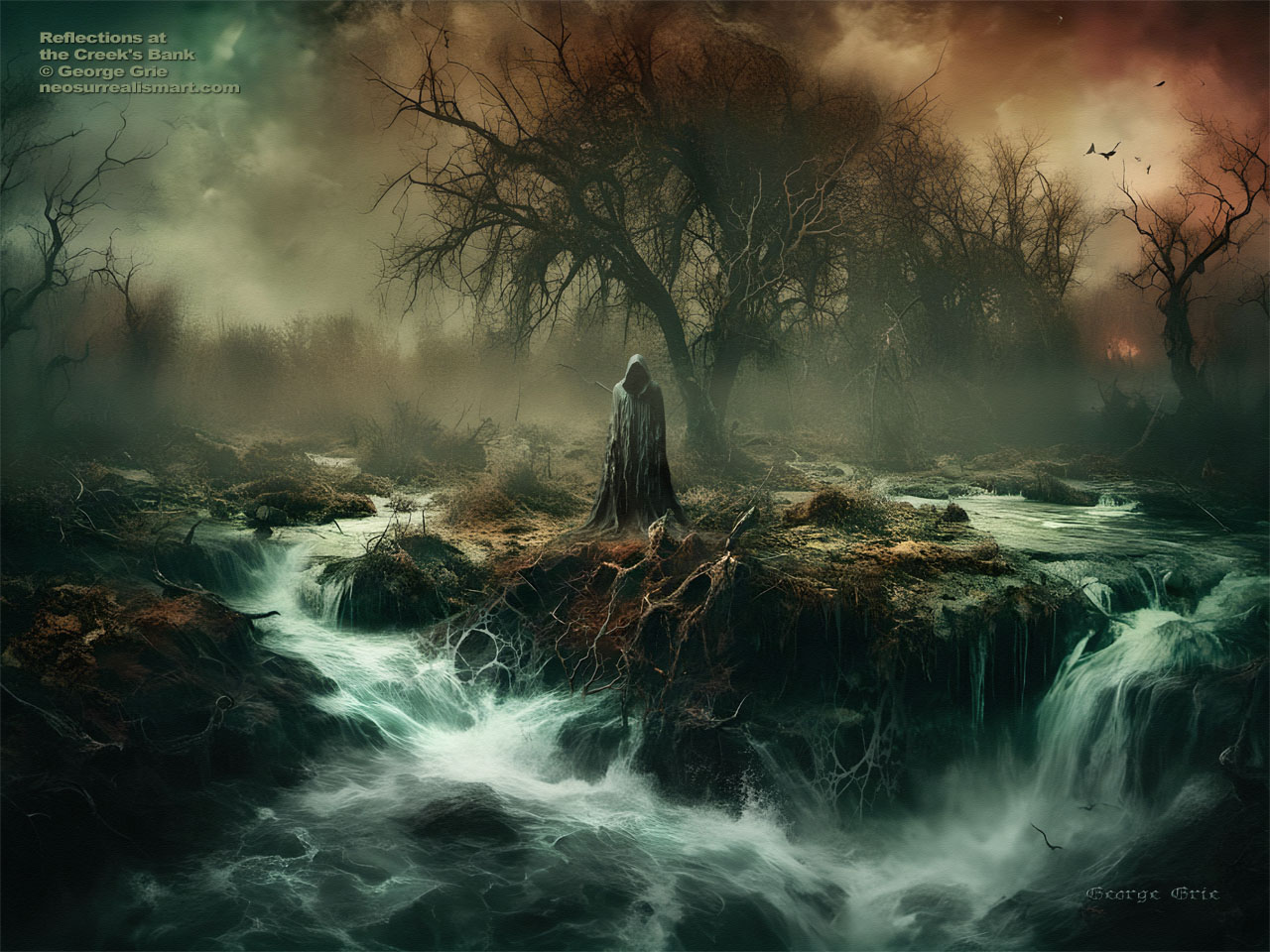
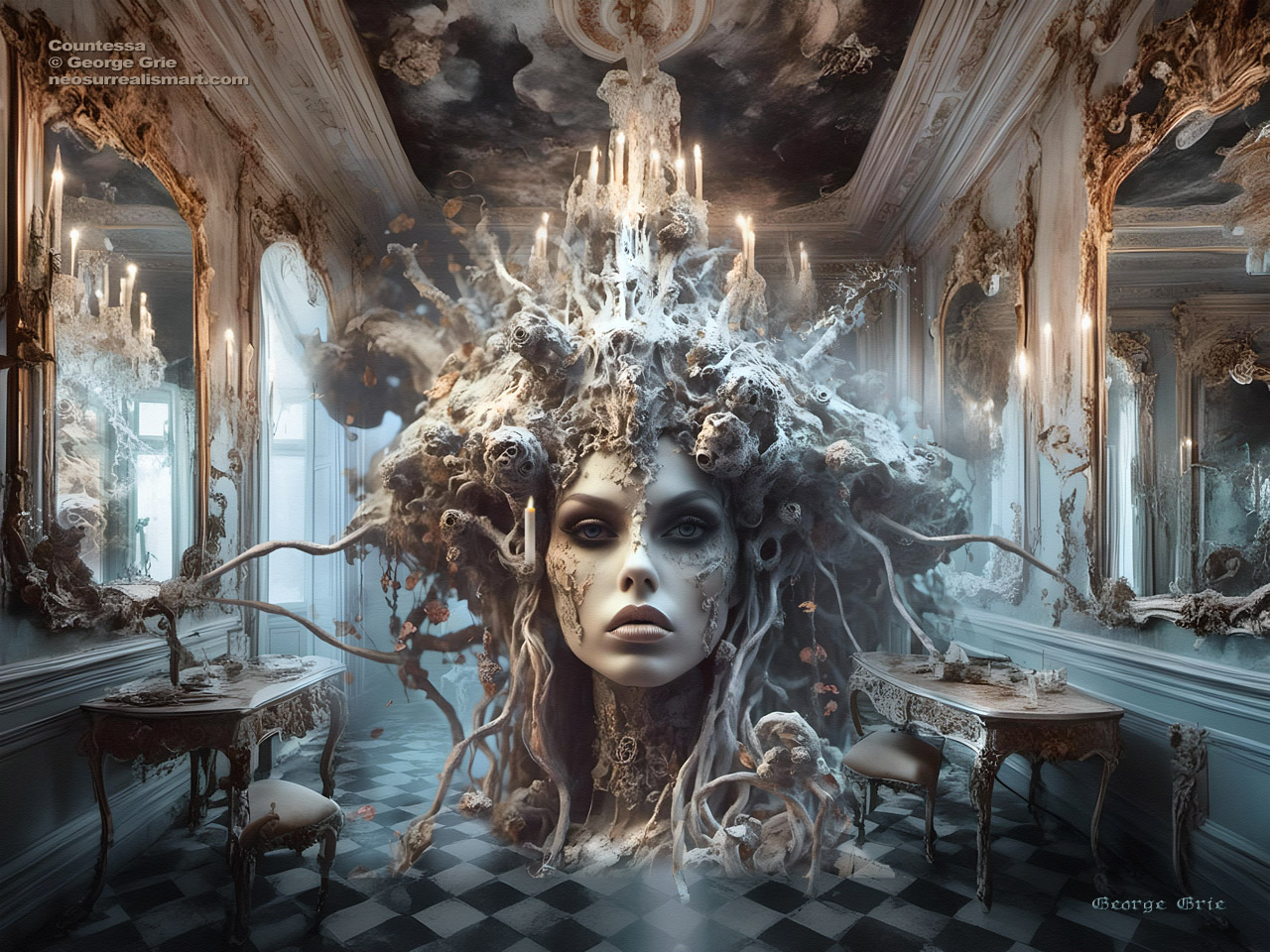
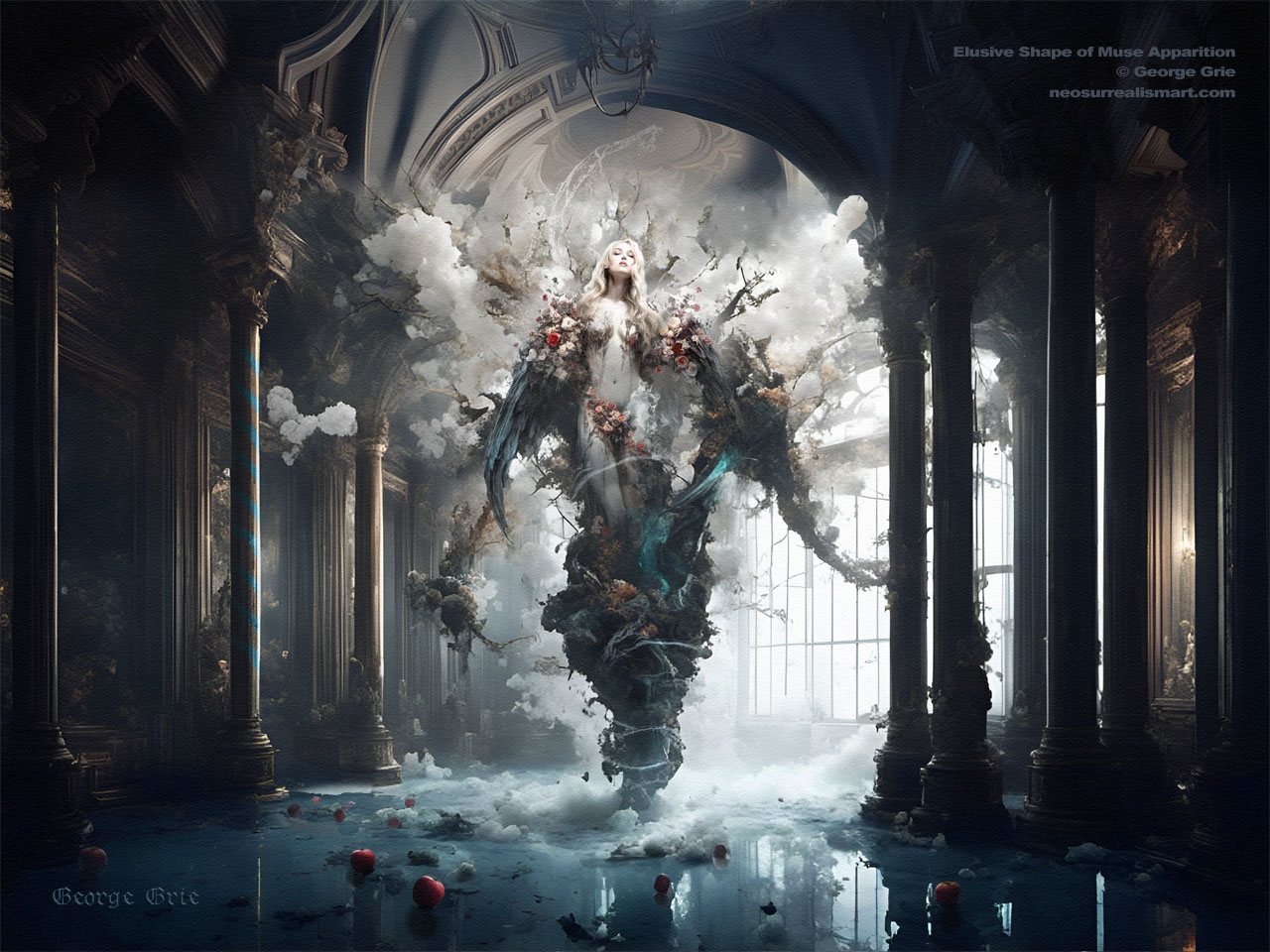
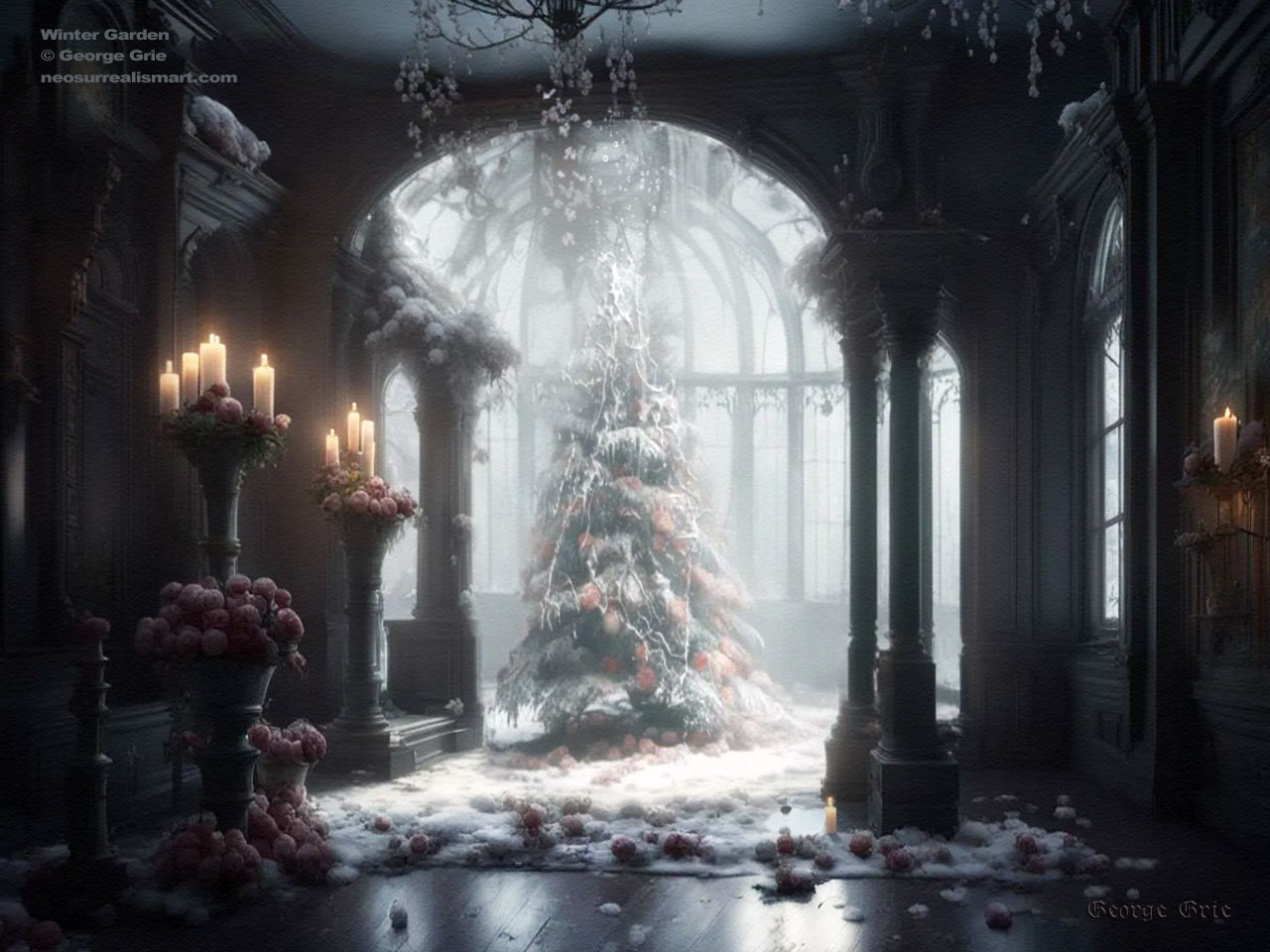
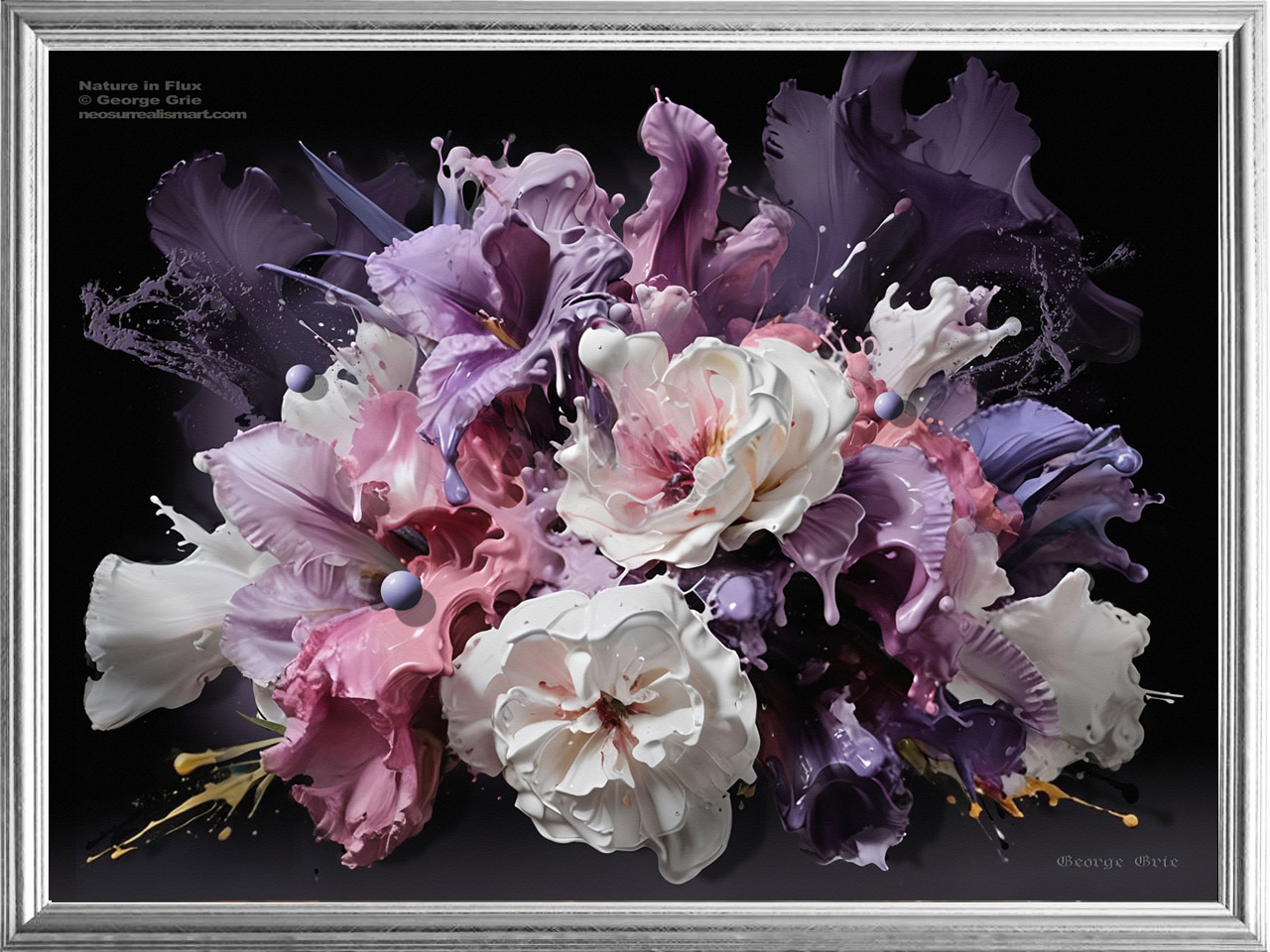
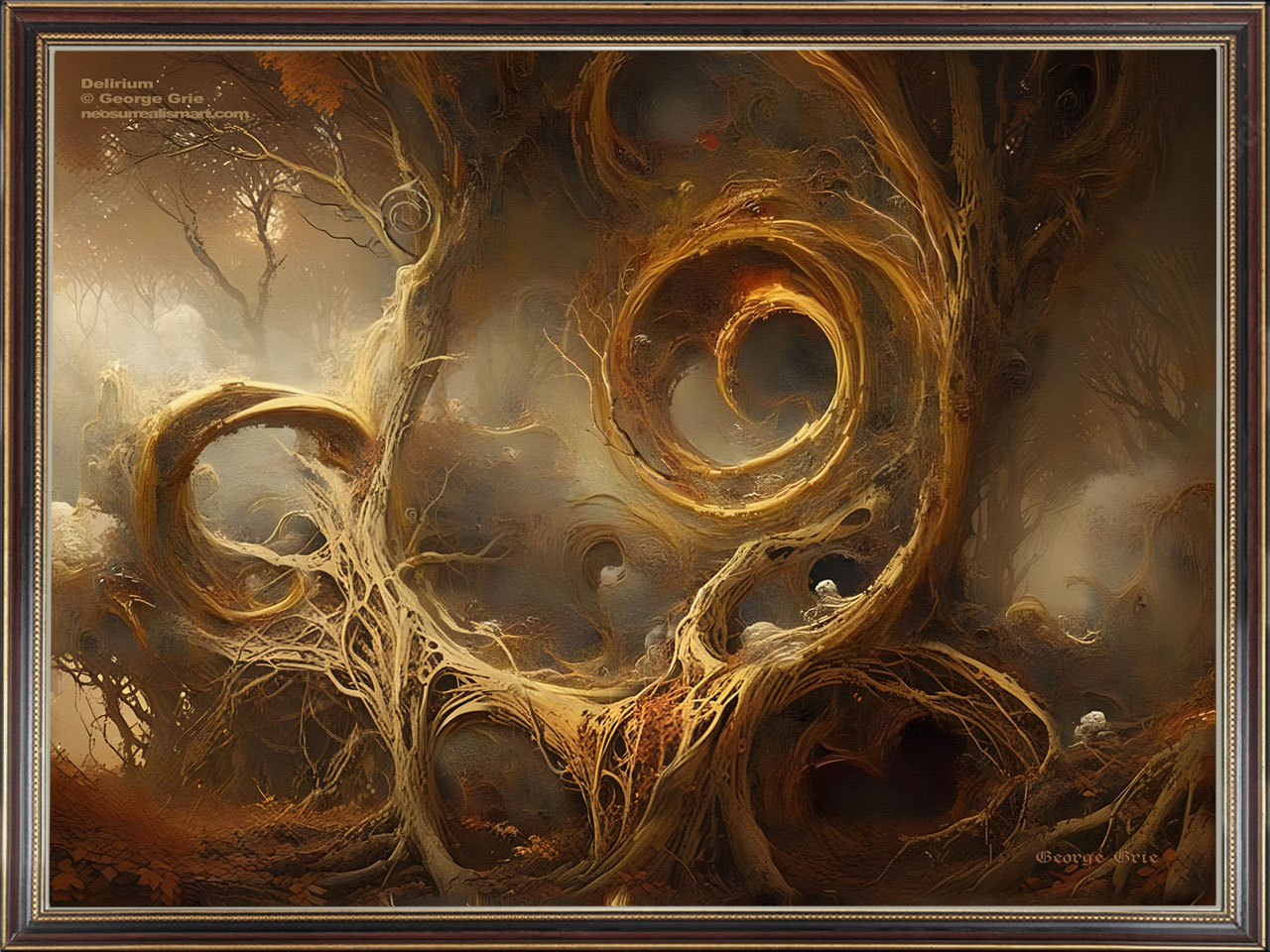
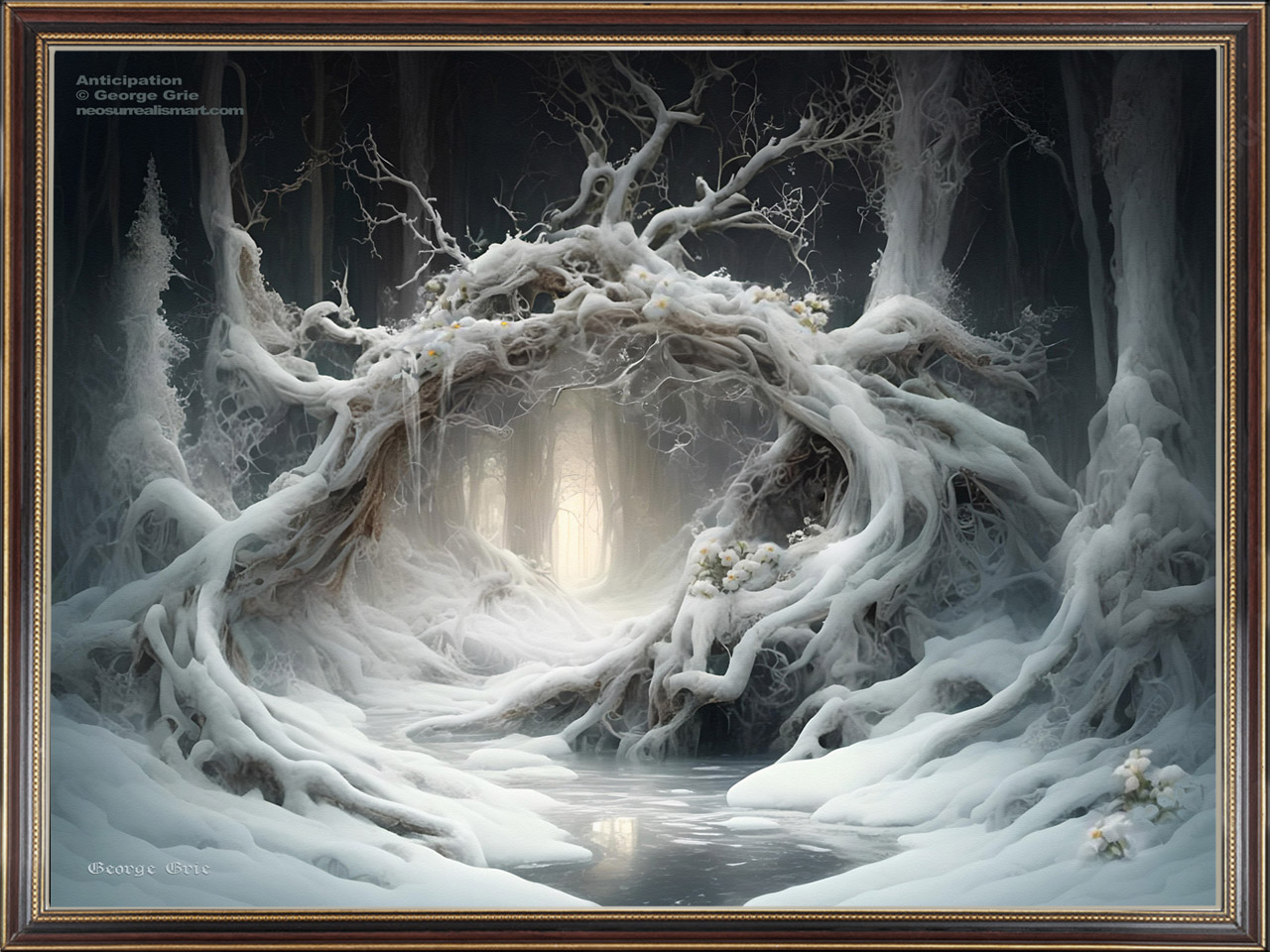
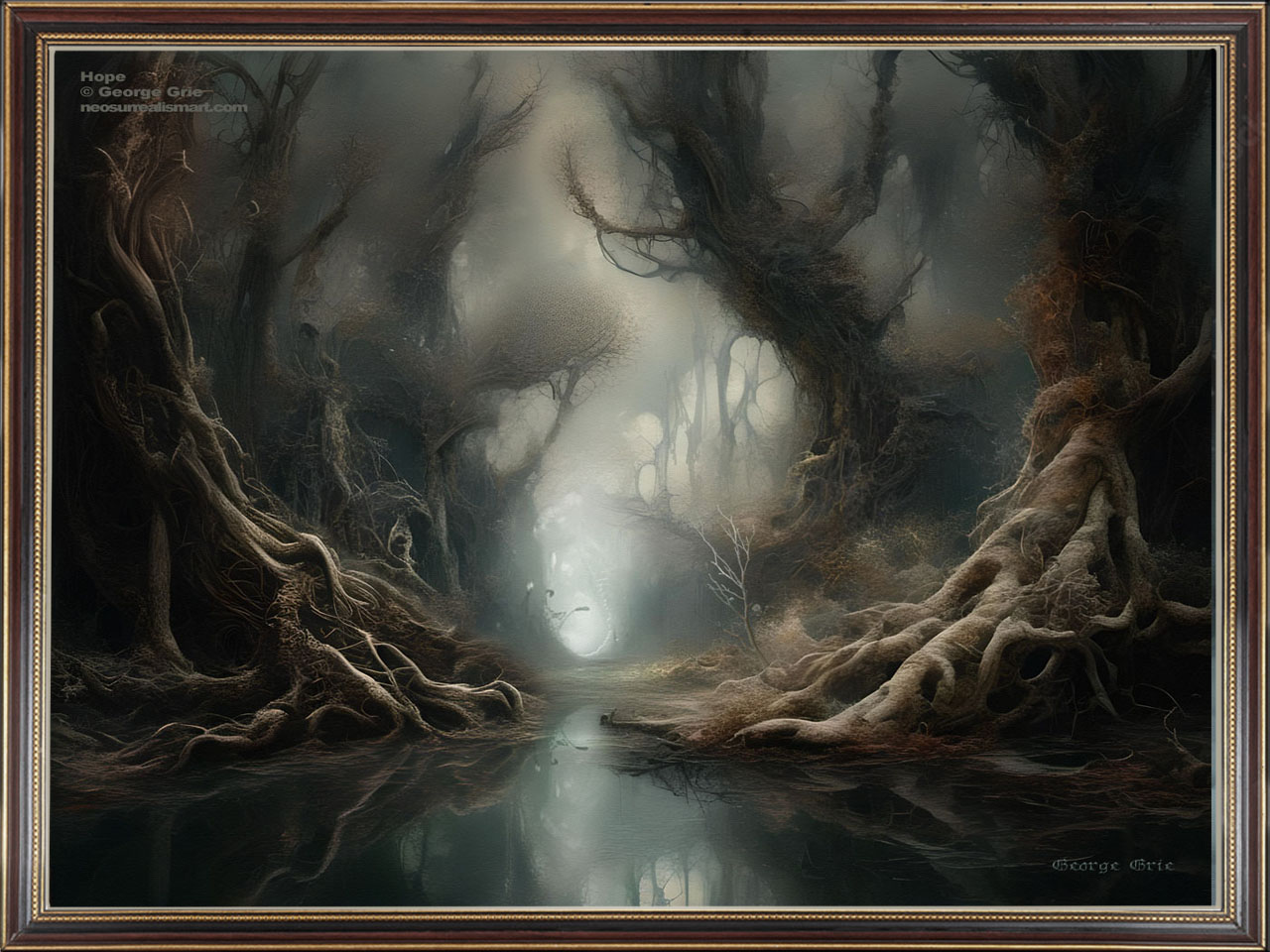
I would define Neosurrealism as a combined imagery of dreams and fantasies or subconscious visions based on the individual philosophical and/or religious views in fine-art painting, digital-art graphic, and photography. Newest computer technologies brought tons of additional depicting power to contemporary artists. Neosurrealism does not have a particular founder or group. The movement is still not clearly defined. Even Wikipedia's editors removed the initial Neosurrealism article from the database. However, neo surreal art develops rapidly adding more professional and amateur enthusiasts every day.
There are literally thousands of contemporary surrealist artists, digital and classic fine art media galleries that create and support neo-surrealistic artwork practices. Visionary Art enthusiasts claim crossing the physical world and depicting a wider vision of consciousness including spiritual, or mystical themes. Some artists apply spiritual practices, and get inspiration from psychedelic and psychotic experiences. Fantastic Realism art explores spirituality, imagination, grotesque, mysterious visions, depicts the inner life, mythology, occultism and mysticism.
There are more art trends such as Neo-romanticism, Dream Art, New Gothic, Art of Imagination, etc. which are all analogous to Neosurrealism. Time will sort out everything, will it not?
George Grie, comments 2003
Russian translation:
show →
←
Нео-сюрреализм или Неосюрреализм это имя, которое было дано движению возрождения знаменитого художественного жанра Сюрреализм в конце 1970-х годов. Первоначально новое движение было сосредоточено на взаимосвязи Сюрреализма с Поп-артом, но в последнее время современные сюрреалисты начали исследовать другие направления в границах не сформировавшегося до сих пор движения.
В течение длительного периода времени Неосюрреализм называли современным Сюрреализмом или искусством Фантазии из-за заметного визуального сходства этих движений искусства. Тем не менее, новая тенденция существует и основная разница между двумя Сюрреалистическими стилями это то, что Неосюрреализм не преследует оригинальную идею свободы от рационального управления или психического автоматизма, заявленных Андре Бретоном, в его манифесте Сюрреализма. В отношении к искусству Фантазии которое отражает таинственные и магические темы, сверхъестественные существа или животные, нео-сюрреалисты как правило, не увлекаются изображением драконов, единорогов, чародеев, итд.
Я бы определил Неосюрреализм как создание комбинированных образов состоящих из подсознательных видений, грез и фантазий основанных на индивидуальных философских и религиозных взглядах в живописи, цифровом искусстве, графики, и фотографии. Неосюрреализм не имеет конкретного основателя или группы. Движение по-прежнему четко не определено. Даже редакторы Википедии удалили первоначальную статью посвященную Неосюрреализму из базы данных. Тем не менее, нео-сюрреалистическое искусство развивается, быстро добавляя больше профессионалов и любителей каждый день. Новейшие компьютерные технологии принесли огромное количество дополнительной изобразительности современным художникам.
Сегодня буквально тысячи современных художников, цифровых и классических, которые создают и поддерживают нео-сюрреалистическую практику в своих произведениях. Например энтузиасты Визионари искусства утверждают что они пересекают физический мир и изображают более широкое видение сознания в том числе добавляя сверхъестественных и мистических качеств. Некоторые художники применяют медитационные практики, или получают вдохновение от психоделических и психотических переживаний.
Искусство Фантастического Реализма исследует духовность, воображение, гротескные, загадочные видения, изображает внутреннюю жизнь, мифологию, оккультизм и мистику.
Существует много новых направлений в искусстве такие как Неоромантизм, искусство Снов, Нью-Готика, искусство Воображения и т.д., которые все аналогичны Неосюрреализму. Время покажет и расставит все точки, не так ли?
Джорж Грие, комментарии 2003
|